They could really make a hard life even harder. First, they live in a tough place– the Andes. Tough to farm, tough to breathe (for me), hard to get water (more about that below), and the list goes on. Then, they believed in reciprocity so if they wanted something really good from the Gods, they had to build something that was very challenging. That’s the story of Sacsayhuaman, the Inca temple/fortress we visited today.
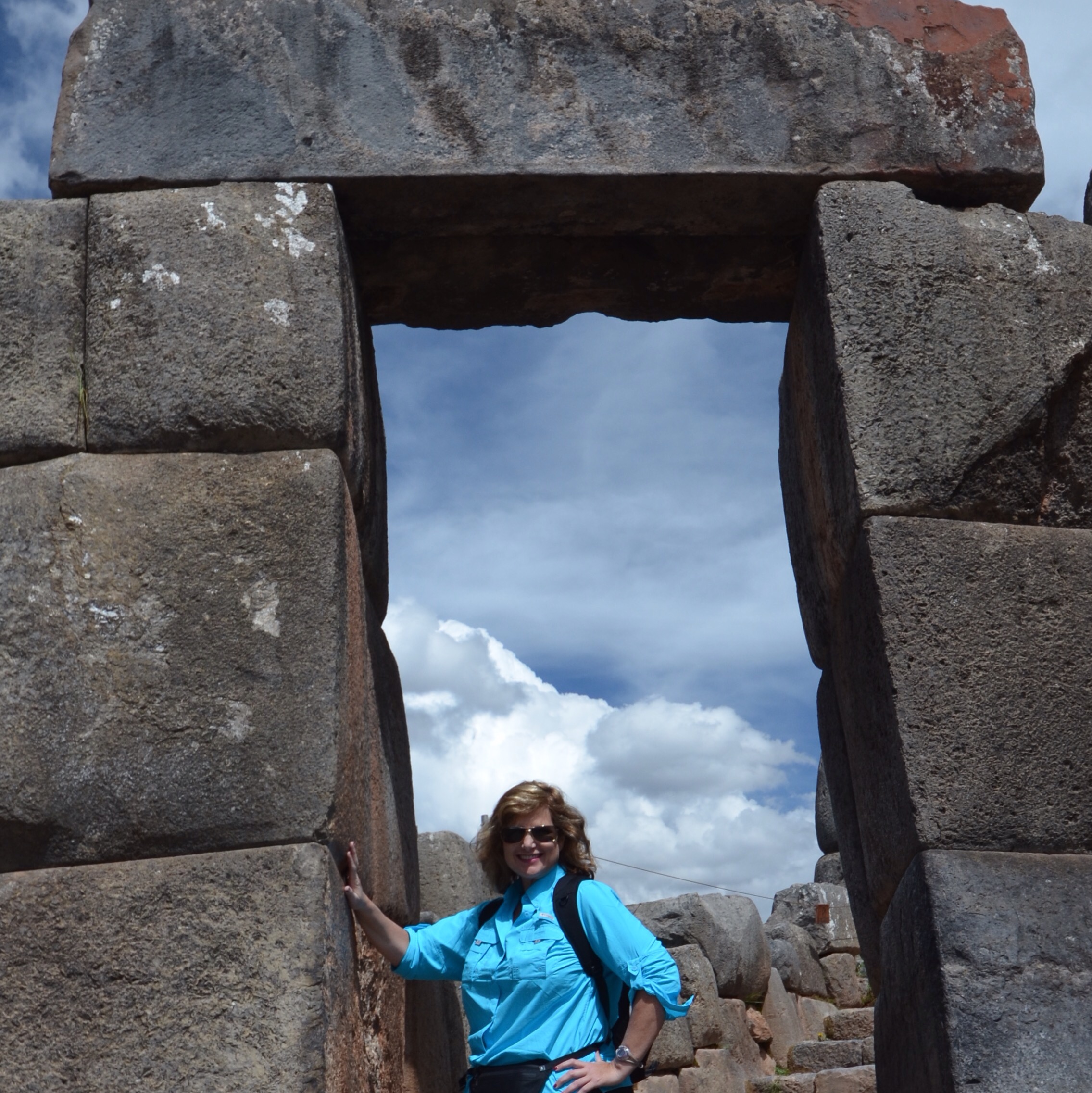
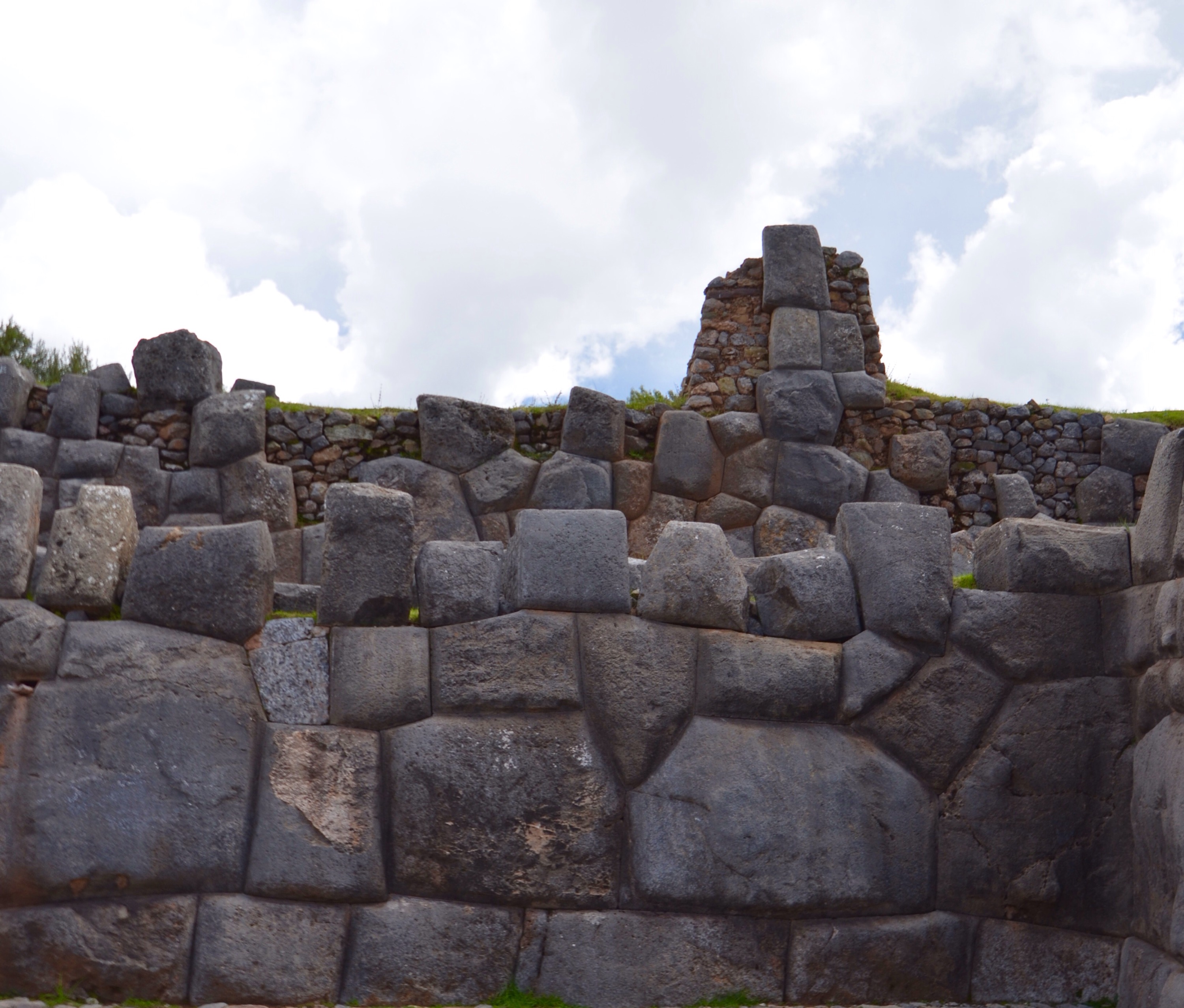
That’s me in one of the perfectly built walkways made of boulders so carefully carved that no mortar is necessary and they are so finely engineered that you can’t even wedge a credit card between the stones. Did I mention that 60% of the stones aren’t locally found? And they didn’t have the use of the wheel. It is pretty astounding how perfectly these things fit together for 600+ years – through earthquakes, invaders, time and the elements. Wow. There were once three rows of walls over 30 feet high, with some boulders weighing 100 tons. Moving those suckers is a tough gig.
Here are a few more shots to give you a feel for the place
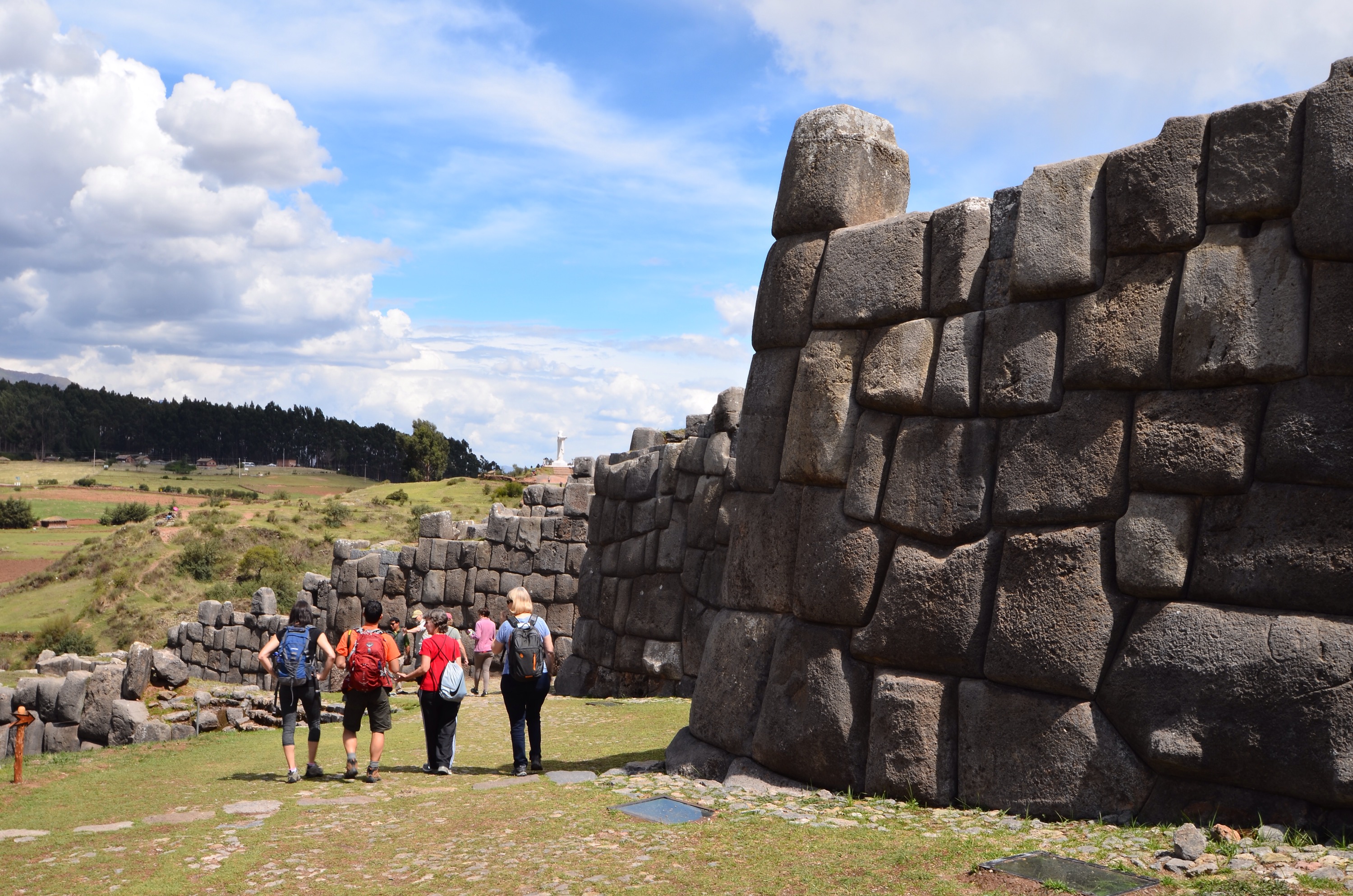
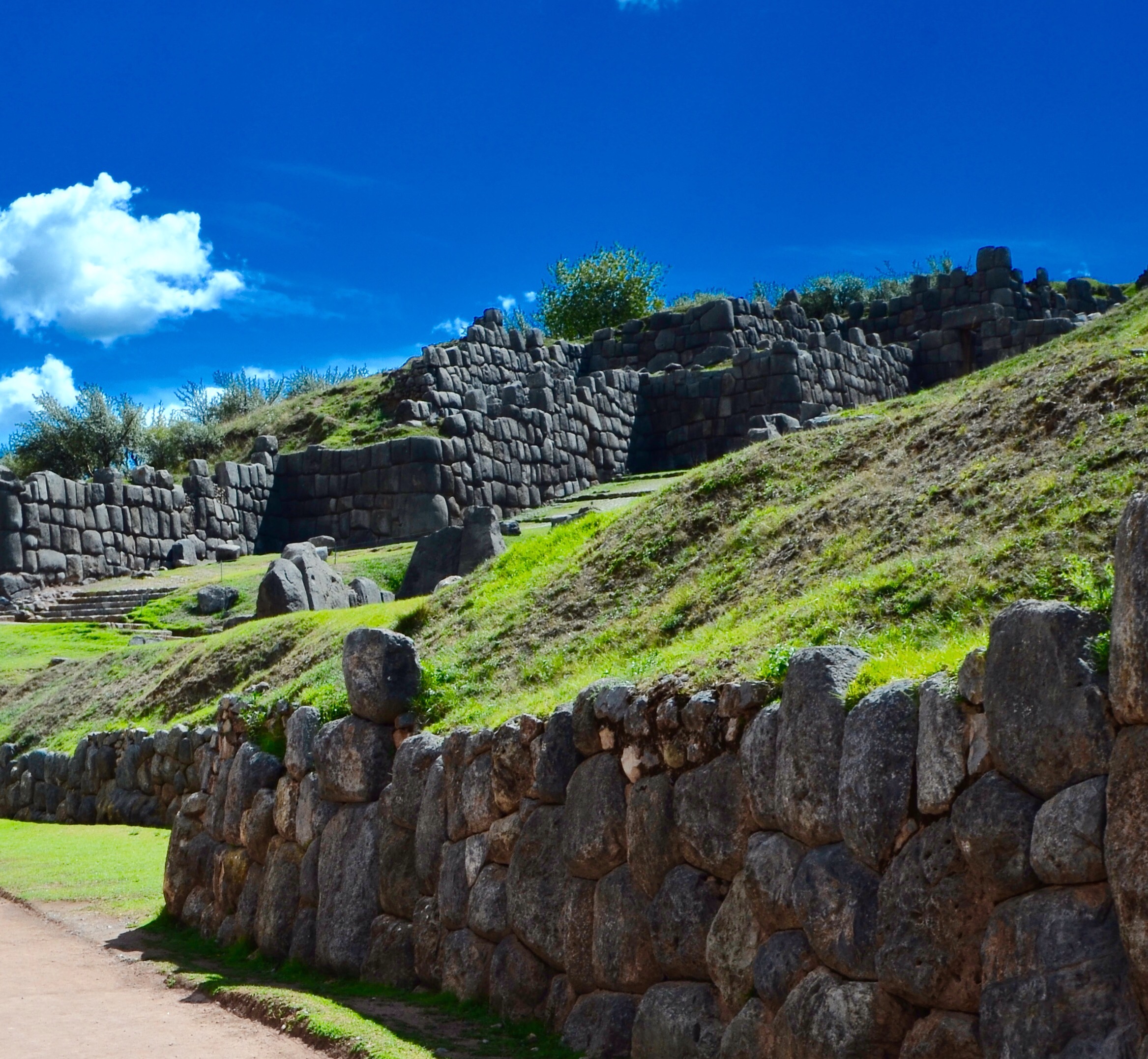
We also walked a bit on the Inca trail, which is a misnomer. There are actually enough Inca roads to circle the globe, twice. Most amazing is that they ruled for only 100 years. Didn’t it take the US 25 years to build our highway system?

We’ve got a great variety of people on the tour, so more later as I get to know them. I’m off to bed so I can face an early departure. Here are a few more favorite shots from the day followed by some observations on water I wrote earlier today.
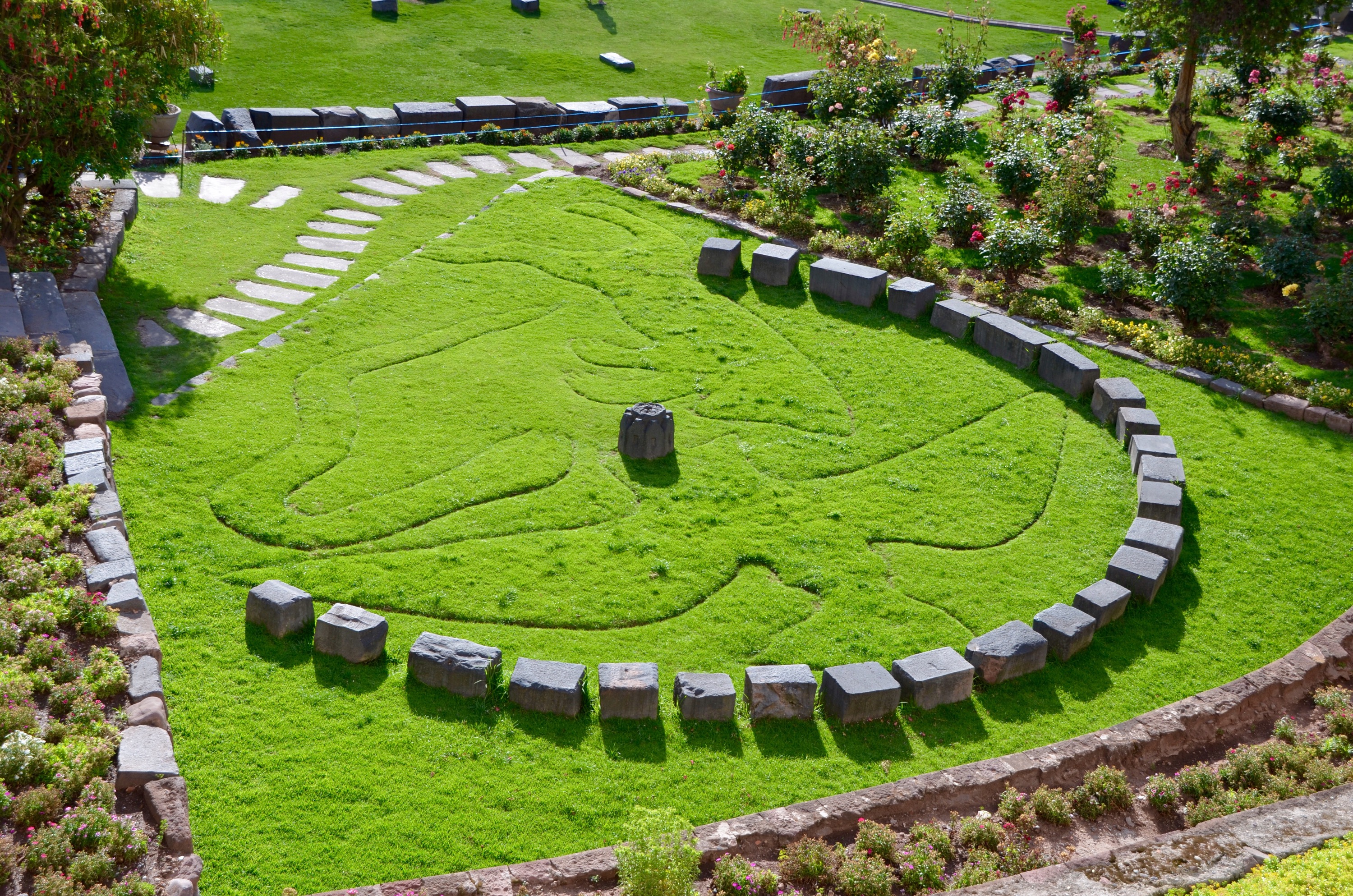
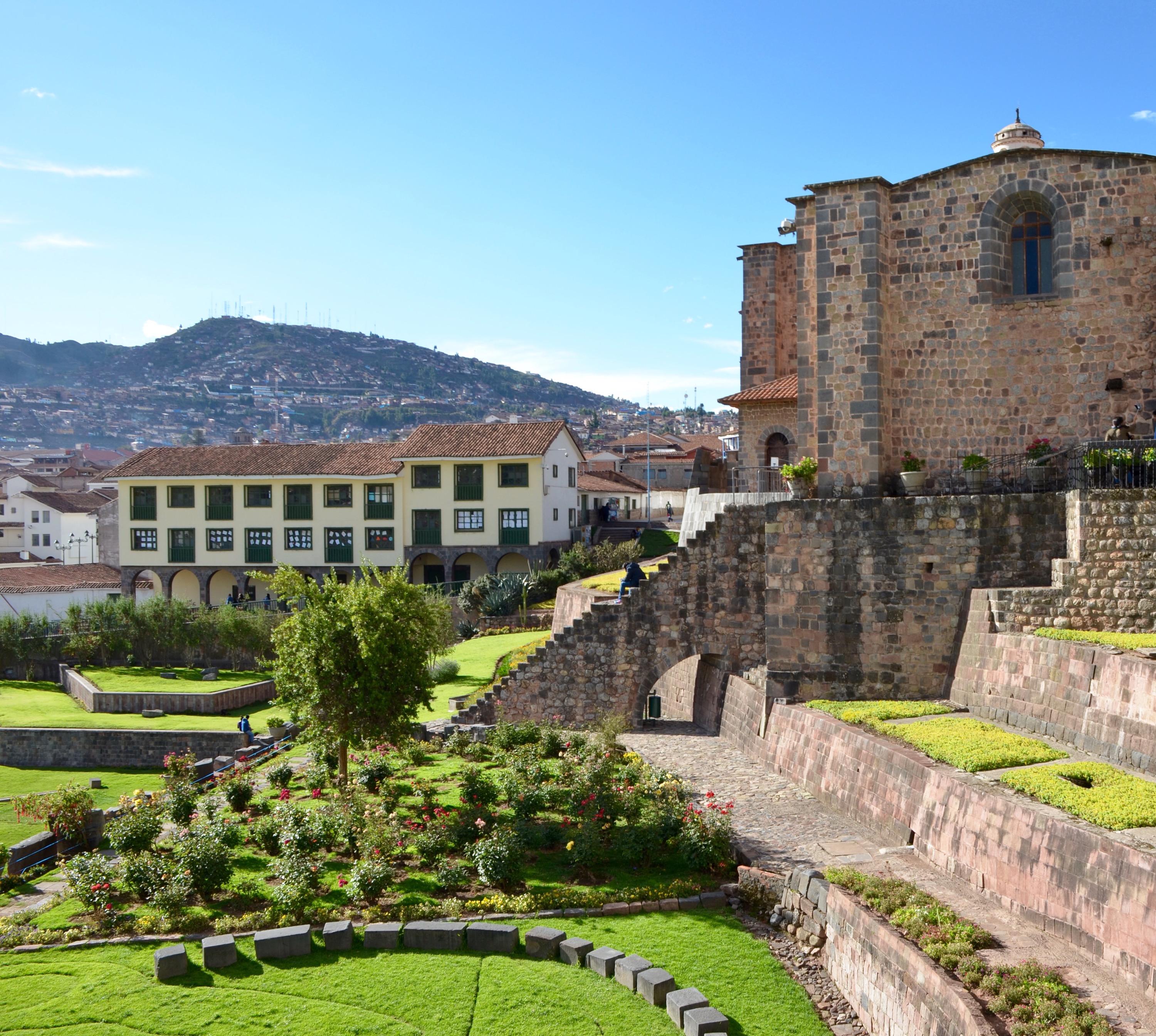
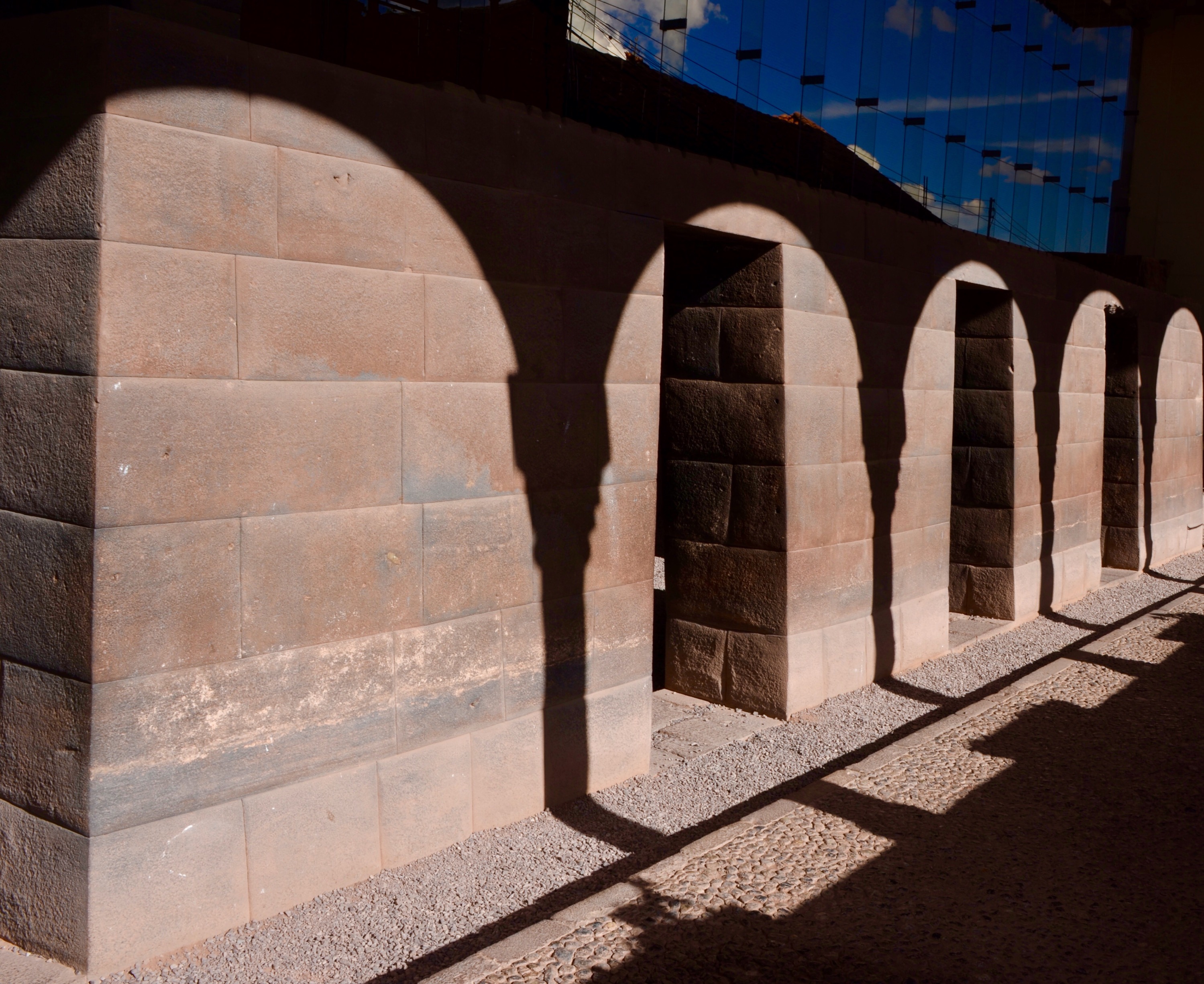
A few words on waste…You can’t travel to the developing world without being stunned by the amount of pressure tourism puts on these fragile waste, water and related systems. My most vivid memory of this was seeing thousands of plastic water bottles washing up on otherwise beautiful beaches in Haiti.
With tourist dollars comes a big set of challenges for local governments, which some handle better than others. REI has a big canister of water from which we are requested to refill a single plastic bottle. That’s no problem for me since I use that technique at home despite dire warnings cautioning otherwise. But water is a big problem here — getting it, cleaning it, and dealing with the plastic waste.
Here’s a great business idea for someone. We need a biodegradable water packaging that holds water for a long period safely and then when something inane, like sand, is introduced, it rapidly but safely decomposes. Problem solved for the first, second and third world. I’m sure someone is working on this but the time is now.
You also can’t travel to exotic places without establishing some kind of grading system for the restrooms. Since I’m drinking about a gallon of water a day to ward of altitude sickness (it and my meds are working btw), this has become especially important. In China, my brother, Mom and I developed a star system — 5 stars for Shangri-La like facilities with western toilets, exceptionally clean, and good toilet paper. 3 stars for western facilities that were basic and cleanish but bring your own TP, and 1 star for a Porcelain foot stand over an open hole. You follow me. If your companions help rate the facilities, you can adequately assess how badly you need them.
I’m happy to report that Cusco is solidly in the 3 star range, with the only problem being a restriction against flushing any paper at all. I guess the plumbing systems just can’t take it. So that requires the traveler to dispose of toilet paper in small waste baskets which are provided. The downside is that this system leaves the restrooms smelling very, hmmmm, ripe. I’m am grateful for what is there. We’ll see what happens as we move to even more remote settings.
 Boonedoggler
Your pictures are stunning. I am living vicariously through them!!
LikeLike
I like the water bottle idea. I am stunned by the architecture and engineering of the stone walls. How did they do that? Not quickly, that’s for sure. Keep writing. Awesome to follow!!
LikeLike